
Aproape
means close.
"Aproape" means "close" in Romanian. We chose the name because it describes how we work, not what we sell. Close to the land we farm. Close to every step between vine and bottle. Close to the people who grow, pick, press, and age what ends up in your glass. At Vinăria Aproape, closeness is not a marketing line. It is a production standard.
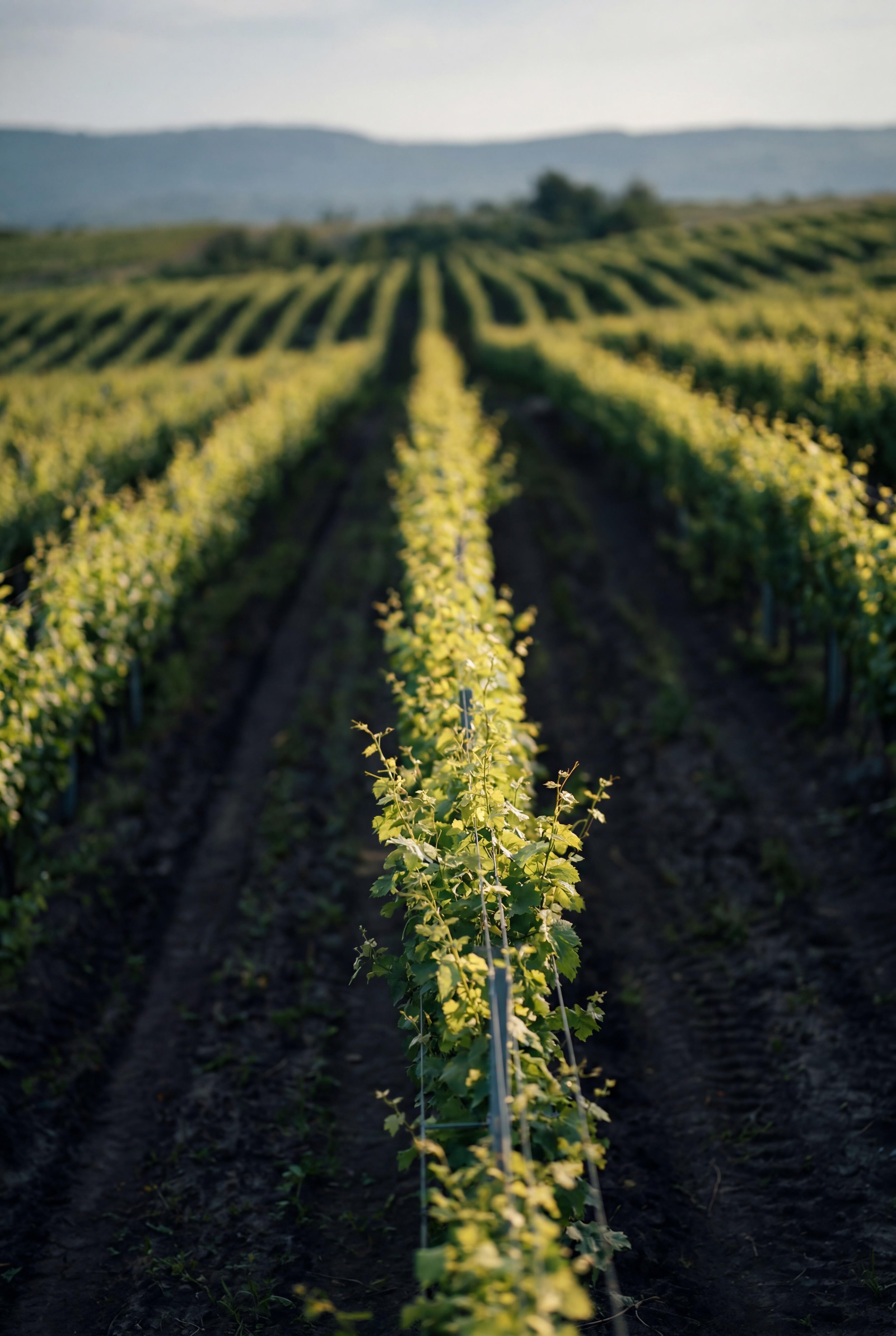
A family that decided to plant something of their own.
In 2020 the Roșca family turned generations of winemaking instinct into 24 hectares of their own — and built a winery from the bare soil up.
The Roșca family has made wine in the village of Hirova for generations. Long before it was a business. Long before there was a label on the bottle. Our father taught us that wine starts in the soil and earns its character from the hands that tend it. That conviction never changed. What changed, in 2020, was the decision to share it beyond the family table.
Vinăria Aproape was founded that year. Not as a startup, but as the formal continuation of something that had been alive in our household for decades. We planted our first 24 hectares of Sauvignon Blanc in the hills above Hirova. We brought in a French winemaking consultant to sharpen our methods without replacing our instincts. We built a team of 50 people, most of them from the village and surrounding communities. Proximity to the land means proximity to the people who know it best.
Today the vineyard holds 12 grape varieties: 8 whites and 4 reds. Two of those are indigenous Moldovan varieties — Fetească Regală and Fetească Neagră — grapes that grow nowhere else with this character. Our cellar produces 8 wines: 2 sparkling, 5 white, 1 red. The portfolio is white-dominant because Codru, the region we farm, is white wine country. We follow the terroir. We do not fight it.
"We didn't inherit a winery. We inherited the reasons to build one."
Why this particular hillside.
In the Călărași district, inside Moldova's forested Codru region, the land does something specific — and the wine remembers it.
Aproape sits in the village of Hirova, in the heart of Moldova's Codru wine region — the country's white wine and sparkling heartland. The numbers define the place: altitude of 150 to 400 metres, chernozem soil across 62% of the territory, and a cool continental climate averaging 9 to 9.5°C annually. The soil here — deep, black, mineral-rich — draws comparisons to Burgundy for good reason. It gives structure and complexity to white varieties, while the cooler temperatures preserve their acidity and freshness.
Hirova is not on the international wine map yet. That is part of why we are building this. The village is small. The terroir is specific. And the wines we make from this exact plot of earth carry a fingerprint that cannot be replicated at scale or from a different postcode.
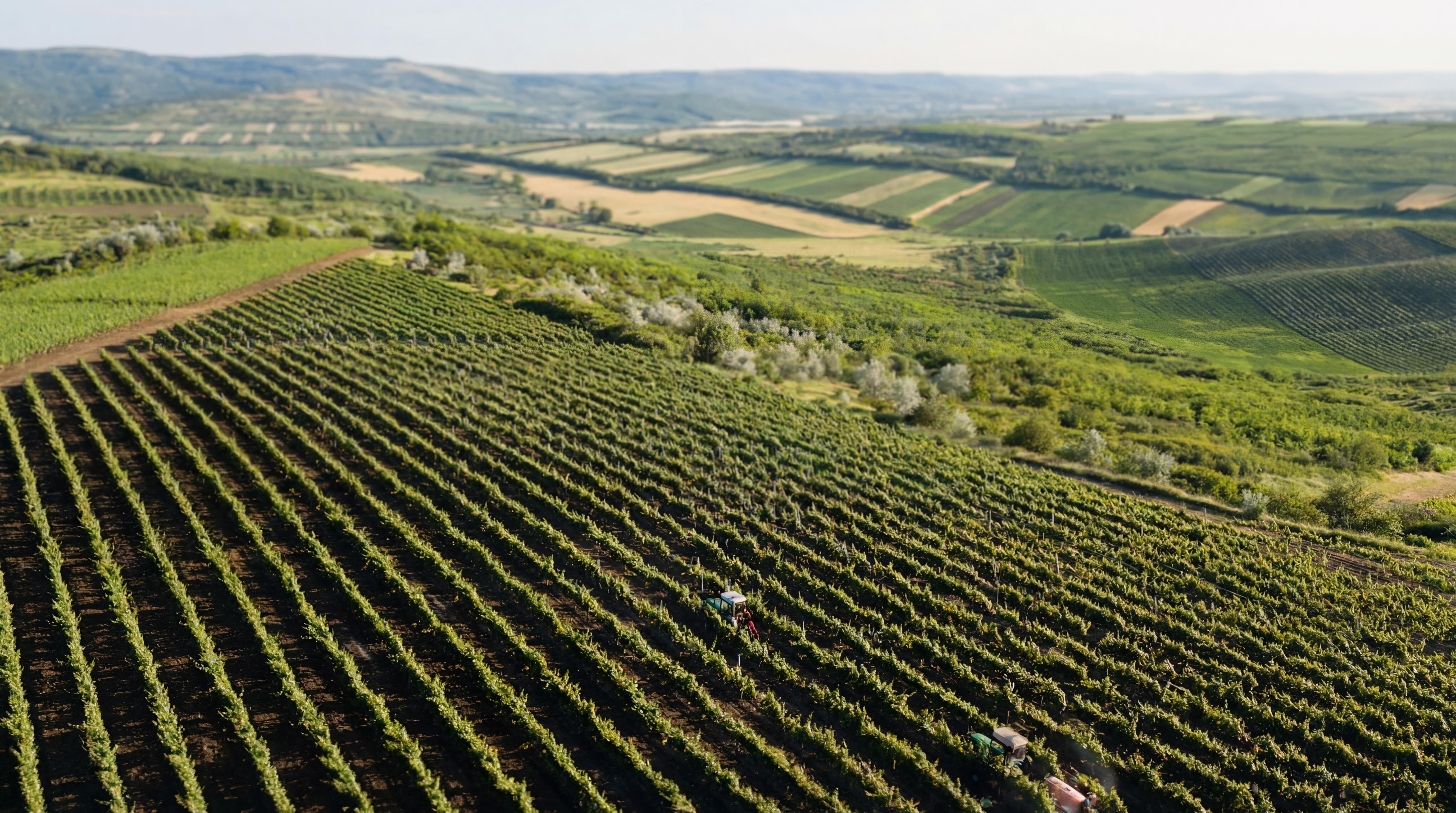
Every decision made intentionally — not inherited by default.
From vineyard layout to fermentation protocol, everything was built from the ground up in 2020, with clear reasons.
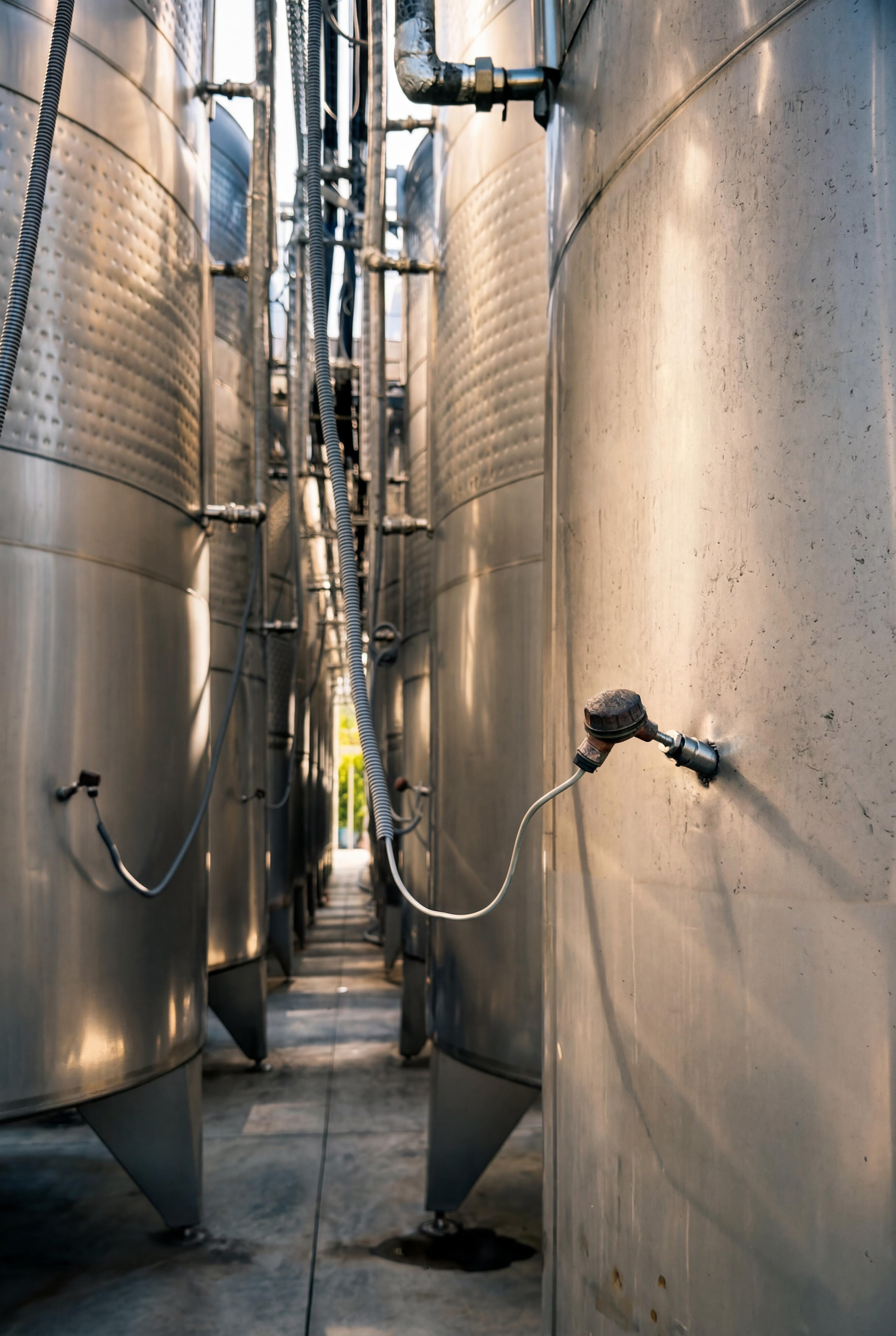
Our winemaking follows classic French techniques, refined through ongoing collaboration with a French consultant. Temperature control is central to our process, particularly for white wines, where preserving aromatic freshness depends on precision at every stage from pressing through fermentation. We apply the same discipline to reds: controlled extraction, attentive aging, and blending decisions based on tasting, not on formula.
Every bottle carries the name Aproape because every bottle comes from our vineyard, processed in our cellar, by our people. Estate-grown, estate-made, estate-bottled. No purchased fruit. No contract blending. When we say you can trace a bottle back to the vine it came from, we mean it literally. That level of traceability is uncommon even among small producers. For us, it is the minimum standard.
A company born in 2020, standing on centuries of tradition.
We know what the founding date says. A winery established in 2020 invites the question: can they deliver consistent quality? Here is our answer.
The family knowledge behind Aproape predates the company by generations. Moldova was the Soviet Union's primary wine supplier for decades — not for lack of better options, but because the land produces. The Russian trade embargoes of 2006 and 2013 forced Moldova's wine industry to rebuild around EU quality expectations. Aproape was born after that reconstruction, not before it. We started with modern standards as the baseline, not as an upgrade.
Our wines have already earned recognition, including a "Best Wine from Moldova" distinction at the Vinarium competition. We compete internationally because the wines stand on their own merit — and because entering those competitions is how a young producer earns the scrutiny that builds trust.
Closeness isn't only how we make it. It's how we work with you.
Whoever you are on the other side of the bottle, "close" means something concrete.
Full transparency, not a contact form.
Vineyard data, production volumes, certifications and winemaking process — documented and accessible. Import a wine you can explain down to the harvest day, and defend to your most demanding account.
A story your diners will remember.
A named family. A specific village. A terroir with character. A winemaking philosophy you can explain in one sentence — the kind of bottle that earns a second look on the list and a real conversation at the table.
Direct communication with the people who make the wine.
Batch-level quality control and a partner who treats your brand with the same care as their own. Grown, made, and bottled under one roof — by the people who answer the phone.
We are here. Come closer.
Aproape exists to close the distance between a Codru vineyard and a professional buyer's decision. Everything on this site — the data, the process, the story — is built to make that evaluation straightforward.
Start a trade conversationKeep exploring Aproape
03 · Pages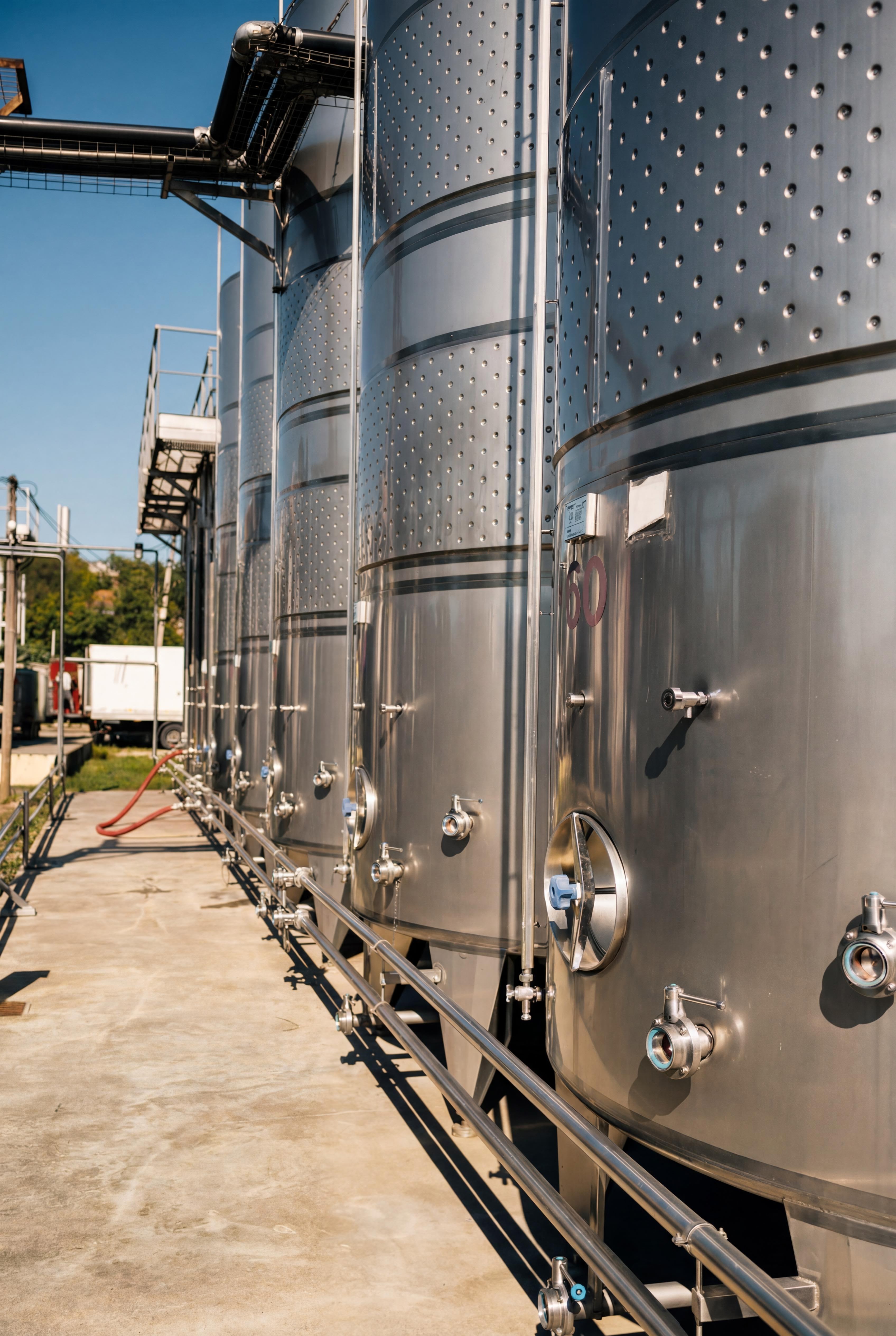
Inside the estate
The cellar, the team, and the way a vintage moves through it.
Our Winery →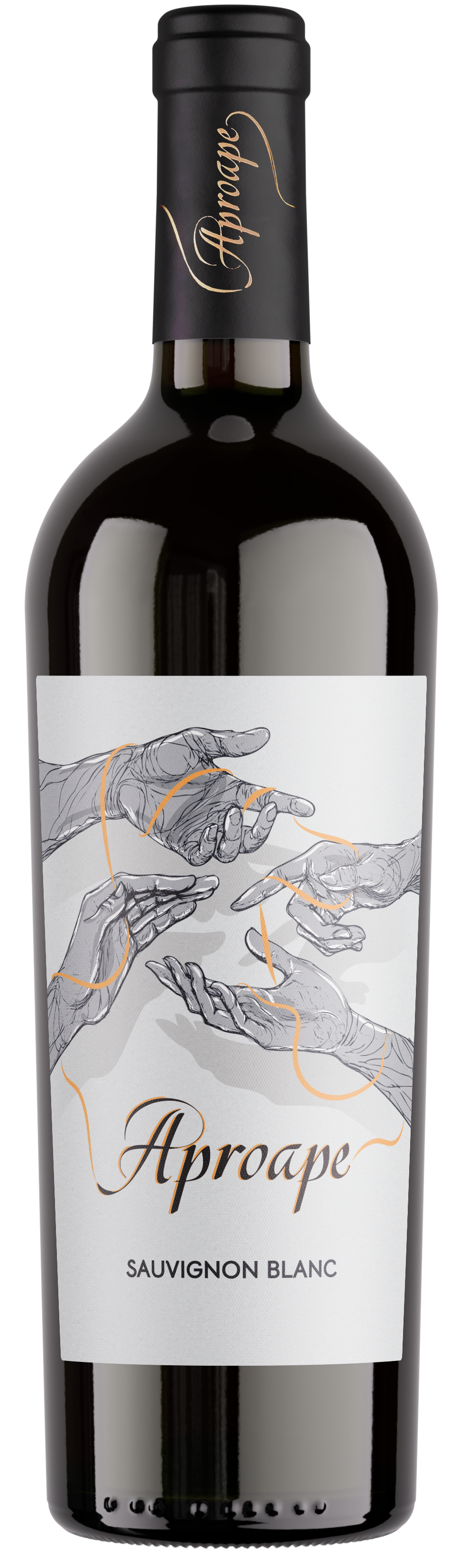
The eight bottles
Two sparkling, five white, one red — and the grapes behind them.
Our Wine Collection →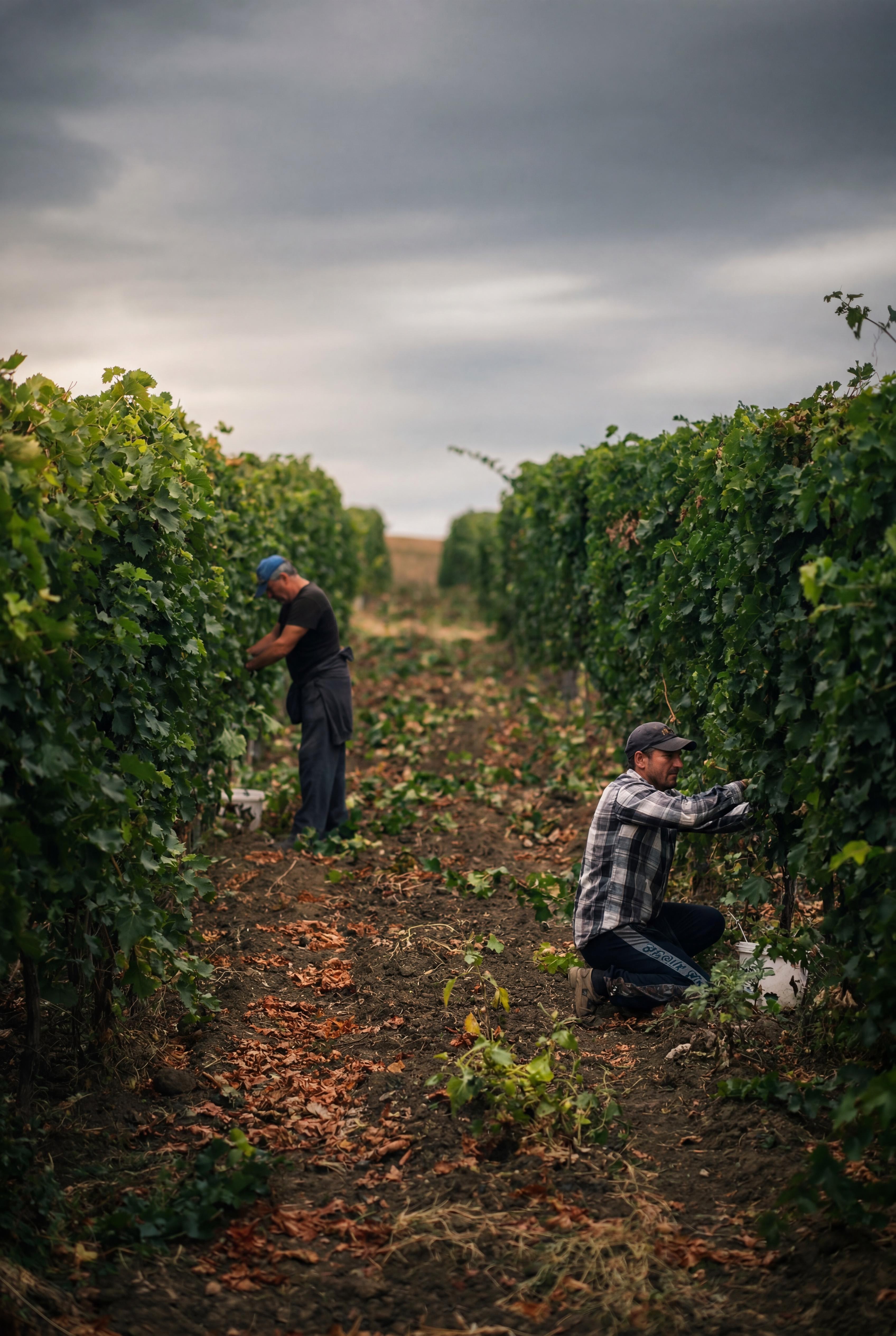
Come to Hirova
Taste at the source, where the wine and the land are in the same place.
Visit the Winery →